
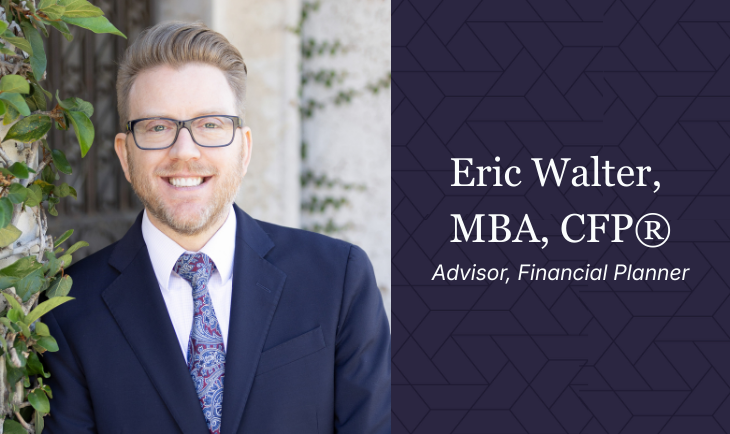
Many people call themselves “financial planners” but lack the credentials and standards of CFP® Professionals. One key differentiator between the two is the certified designation. A CERTIFIED FINANCIAL PLANNER™ professional or CFP® professional is held to high educational, ethical, and fiduciary standards that require them to act in a client’s best interests at all times. The CFP Board spent two years developing a new Code of Ethics and Standards of Conduct that took effect October 1, 2019.
I. The Code of Ethics states that a CFP® professional must:
- Act with honesty, integrity, competence, and diligence.
- Act in the client’s best interests.
- Exercise due care.
- Avoid or disclose and manage conflicts of interest.
- Maintain the confidentiality and protect the privacy of client information.
- Act in a manner that reflects positively on the financial planning profession and CFP® certification.
II. The Standards of Conduct state that a CFP® professional must:
- Act as a fiduciary at all times when providing advice.
- Comply with all objectives, policies, restrictions, and lawful directions of the client.
- Provide competent professional services by maintaining the relevant knowledge and skill to apply that knowledge.
- Treat clients, prospective clients, fellow professionals, and others with dignity, courtesy, and respect.
- Comply with the law.
- Comply with practice standards for the financial planning process.
Anyone seeking to become a CFP® practitioner must submit to a background check and meet the CFP Board standards. Once attaining certification, any violation of ethical and/or practice standards may lead to disciplinary action or even revocation of certification. Education, experience, and exam requirements ensure that everyone using the CFP® mark has the expertise necessary to deliver on the standards set forth by the CFP Board.
I am currently taking the 6th course, Estate Planning, through Boston University’s Financial Planning Program. I have already completed Introduction to Financial Planning, Risk Management & Insurance Planning, Investments, Tax Planning, and Retirement Planning & Employee Benefits. After Estate Planning, I will take the Financial Planning Capstone course which integrates the knowledge from the previous 6 courses into a comprehensive financial plan. This will complete my accredited education requirement. In May, I will also complete the 6,000 hours experience requirement to take the CFP® Certification Exam. I look forward to joining Susan & John as a 3rd CFP® professional on your SWM team.