
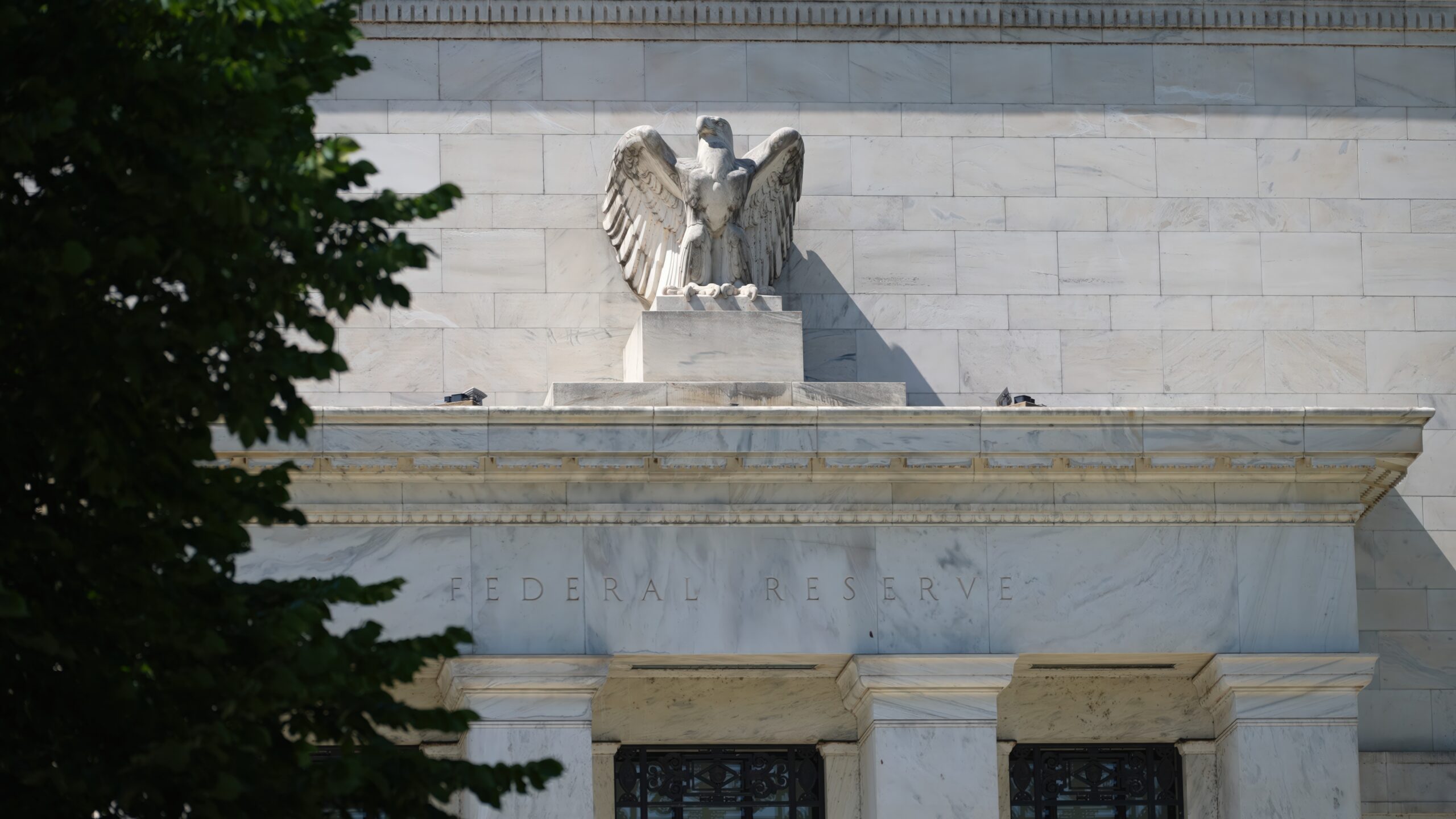

Real GDP grew at an annualized rate of 2.1% (3 estimate) during the first quarter of 2026, up from the 0.5% pace in the fourth quarter of 2025 and in line with 2025 full year growth. Current data show a mixed picture of economic activity. The Atlanta Federal Reserve’s GDPNow model currently estimates Q2 real GDP growth at approximately 1.3% (as of July 8 ), reflecting weaker trade activity and more cautious business investment. Meanwhile, improving readings throughout 2026 from the Dallas Fed Weekly Economic Index and ISM manufacturing and services surveys suggest economic activity remains positive. We continue to expect growth to be resilient and stabilize in the 2.0%–2.5% range this year.
The labor market remains balanced but is gradually cooling. Employment growth averaged approximately 111,000 jobs per month during the second quarter. In June, nonfarm payrolls increased by only 57,000, while the unemployment rate declined to 4.2%, remaining near levels historically associated with full employment. Labor force participation eased to 61.5%, reinforcing our view of a “low-hire, low-fire” environment in which hiring has moderated, but employers are reluctant to reduce headcount aggressively.
Inflation, which had shown encouraging progress earlier in the year, reaccelerated during the quarter as higher energy prices filtered through the economy. In May, CPI rose 4.2% year-over-year, while Core CPI increased 2.8%. The Federal Reserve’s preferred inflation measure, PCE, rose 4.1%, with Core PCE at 3.4%. Although geopolitical events have pushed inflation higher, underlying price pressures could moderate if energy markets stabilize.
Financial markets navigated a challenging backdrop of moderating growth, elevated inflation, and geopolitical uncertainty. Despite periods of volatility, equity markets advanced on the strength of AI-related investment, resilient consumer spending, and ample liquidity. Fixed income continued to provide diversification benefits, although expectations for Federal Reserve rate cuts diminished as inflation remained elevated. Q2 served as a reminder that markets are often forced to balance competing economic narratives rather than react to any single
data point.
Looking ahead, we expect a generally favorable economic environment, with moderate growth gradually cooling, labor market conditions and inflation remaining above the Federal Reserve’s long-term 2% target for longer than many investors anticipated. While inflation remains the primary near-term economic risk, as was referenced numerous times by new Federal Reserve Chairman Kevin Warsh during his initial FOMC meeting in June, and hiring activity has moderated, recession risk appears low, and current economic data continue to support expansion. Against this backdrop, we believe maintaining well-diversified portfolios aligned with long-term objectives and risk tolerance remains the most effective investment strategy. Although economic and geopolitical developments may continue to create periods of market volatility, our focus remains on long-term fundamentals rather than short-term uncertainty.
This Commentary is provided by Spraker West Wealth Management, a registered investment advisor, and is for informational purposes only. It should not be construed as investment advice and is not intended as a solicitation of any specific product or service. Investments and/or investment strategies include risk including the possible loss of principal. There is no assurance that any investment strategy will achieve its objectives. Information provided is not intended as tax or legal advice and should not be relied upon as such. You are encouraged to seek tax or legal advice from a qualified professional.